
RD Professional Development Portfolio
In preparation for becoming a Registered Dietitian and continuing my education to elevate my practice, I have completed a Professional Development Portfolio (PDP). By creating this PDP, I have furthered my education in my professional interest areas such as military and tactical performance nutrition, sports performance nutrition, dietary supplementation, public health nutrition, and nutrition policy. Through this and future PDPs, I will continue to diversify my dietetic skillset so that I can continue to improve upon the services I offer to my clients through Do Today Fitness and Nutrition.
I founded Do Today in 2022 with the goal of helping clients achieve their fitness goals by providing strength and conditioning plans to clients customized to their needs and fitness goals on a monthly basis through the Trainerize© coaching app. After I pass the RD exam in Fall 2025, I plan on adding a nutrition coaching component to my business model to offer a more wholistic approach through which I can collaborate with clients to help reach their health and wellness goals.
I have chosen to showcase my PDP here on my Do Today Website to align my PDP with my professional goals of getting involved in tactical and sports nutrition, and opening my own fitness and nutrition private practice through my Do Today brand.
Thank you for taking the time to read my portfolio!
Best,
Patrick Crockett, CSCS
Gillings School of Global Public Health MPH/RD Candidate
Table of Contents
Student Self Reflection
Section 1
Student Learning Activities
PDP Competency Plan
Section 2
Section 3
Learning Log
CPEU Documentation
Self Evaluation
Section 4
I. Student Self Reflection
1.) What are my current practice area(s) and professional interests?
One of my current practice areas and professional interests include sports nutrition at the collegiate and professional level. As a Certified Strength and Conditioning Specialist (CSCS), I am interested in taking on both a dietetic and fitness related role by working with athlete to offer a more wholistic approach in optimizing their health and performance. In a similar manner, I am interested in tactical performance nutrition among service members, particularly the Army given that they employ more dietitians than any other branch of the military. By holding both my RD and CSCS, I believe I can offer a wholistic approach to optimizing solider health and readiness.
2.) Within my area(s) of practice and/or professional interests, what roles or responsibilities do I perform now?
With my CSCS, I train clients online by offering 4-week exercise programs grounded in a undulating periodization that are customized to the goals and needs of each client. Once I earn my RD, I intend on incorporating medical nutrition therapy and nutrition education + counseling into my business model to offer a more wholistic approach to each client’s well-being. I am also looking to expand my business by sending out monthly newsletters to all clients on the latest developments in nutrition and fitness-related research, and using social media as a platform to provide evidence-based educational materials related to nutrition and fitness. Regarding volunteer opportunities, I plan on working with the Carolina Hunger Initiative (CHI) during the Spring 2025 to become more involved in battling food insecurity in the Chapel Hill-Carrboro area and conducting nutrition education classes.
3.) What external factors or trends (professional, societal, environmental) are affecting or will affect my professional practice?
I believe the continued advancement of technology will affect my professional practice. Many of the duties of the RD will be made more efficient as EMR systems continue to become more robust and allow the RD to provide higher quality care more quickly. From a societal standpoint, I believe we are more aware of the profound impact that nutrition has on our health than we ever have been. I believe this will continue to open the door for more RD’s in many more specialties, and lead to further improvements in patient and client outcomes. For example, the Army continues to raise the bar for overall soldier health and well-being through the Holistic Health and Fitness (H2F) and continues to recruit more dietitians each year to optimize the nutritional side of these services – an opportunity I am highly interested in. In the years to come, I believe the need for dietitians in this space among many others will continue to increase as nutrition research continues to expand and reveal more about the importance of adequate nutrition at each stage throughout the lifecycle.
4.) What areas of my profession do I enjoy?
After completing my clinical rotation this summer and learning about the different components of the RD scope of practice, areas of the profession I have come to enjoy include listening to patients and hearing their stories while learning about how they arrived where they are so that we can take a collaborative approach to help them reach their nutrition-related goals. I got to experience this through my outpatient experiences at a kidney and liver transplant clinic and an oncology unit. When working in-patient and at the ICU, I enjoyed taking on complex patient cases and learning about their admitting diagnosis while working backward through their medical history and forward by following them throughout their LOS and using this information to determine the best course of action for their nutrition intervention. I also enjoy reading content related to my professional interests such as sports and tactical performance nutrition, while also generating evidence-based content through the quality improvement and case study projects I completed for my clinical.
5.) What are my current leadership responsibilities?
I just completed my Teaching-Assistantship (TA) for NUTR 611: Food and Your Life Stages, where I facilitated class-discussions surrounding a variety of nutrition and dietetics topics from each stage of the lifecycle while furthering my knowledge on these topics. I will continue to assume leadership responsibilities in the classroom by serving as a TA for NUTR 715: Medical Nutrition Therapy: Chronic Disease Management during the Spring 2025 Semester. I am actively pursuing volunteer opportunities to provide nutrition education through a local health clinic in Carrboro, as well as with the Carolina Hunger Initiative (CHI).
6.) What do I want my future practice area to be?
My primary future practice area is performance nutrition in a tactical setting working with soldiers and special forces after having the opportunity to expand my clinical skillset as an entry-level practitioner. By becoming an RD in the Army, I also would like to be involved in both domestic and international disaster relief missions, supplement safety projects on military installations, and efforts to combat food insecurity among the armed forces. I am also interested in performance nutrition among professional and collegiate athletes. I believe after practicing for a number of years that I will be interested in taking on more of a leadership role as a subject matter expert (SME) for a corporation, company, or government branch. I also would like to pursue private practice by incorporating nutrition services into my existing online strength and conditioning business.
7.) What are my professional strengths?
Based on evaluations and feedback I received from my clinical preceptor, my professional strengths include my attention to detail, thoroughness, critical thinking and analysis, conversational and interpersonal skills, applying client/patient-centered principles to all activities and services, among other strengths.
8.) What are my professional goals?
Short Term: (1 – 3 years)
Obtain Masters in Public Health Degree
Pass the RD exam
Enter the Army as a Direct Commission Officer, 1st Lt. Registered Dietitian
Maintain expertise in nutrition support
Earn my CSSD and Tactical Strength and Conditioning Facilitator (TSAC-F) credentials after my first year in the Army
Formulate and conduct quality improvement policies and programs
Excel enough as an entry level RD during my first year to earn opportunities to work with brigades as a Tactical Performance Dietitian and Strength Coach through the Army H2F Program
Advance to Captain ranking and higher
Long Term: (3 – 5 years)
Work as a civilian H2F dietitian and strength and conditioning coach on a military installation
Work with special forces such as:
Navy Seals
Green Berets
Work for a professional sports team (NFL, NBA)
Work with Olympic/Paralympic athletes in preparation for upcoming summer/winter Olympic/Paralympic Games
Take on a leadership/management role as a subject matter expert (SME) in any of the following capacities:
Work as a Sports/Performance nutrition SME for a major supplement company
Work as a Public health/military nutrition SME for the DoD or the Commissioned Corps of the U.S Public Health Service
Expand my strength and conditioning + nutrition business to the point where I can open a private practice and have that be my primary occupation/revenue stream
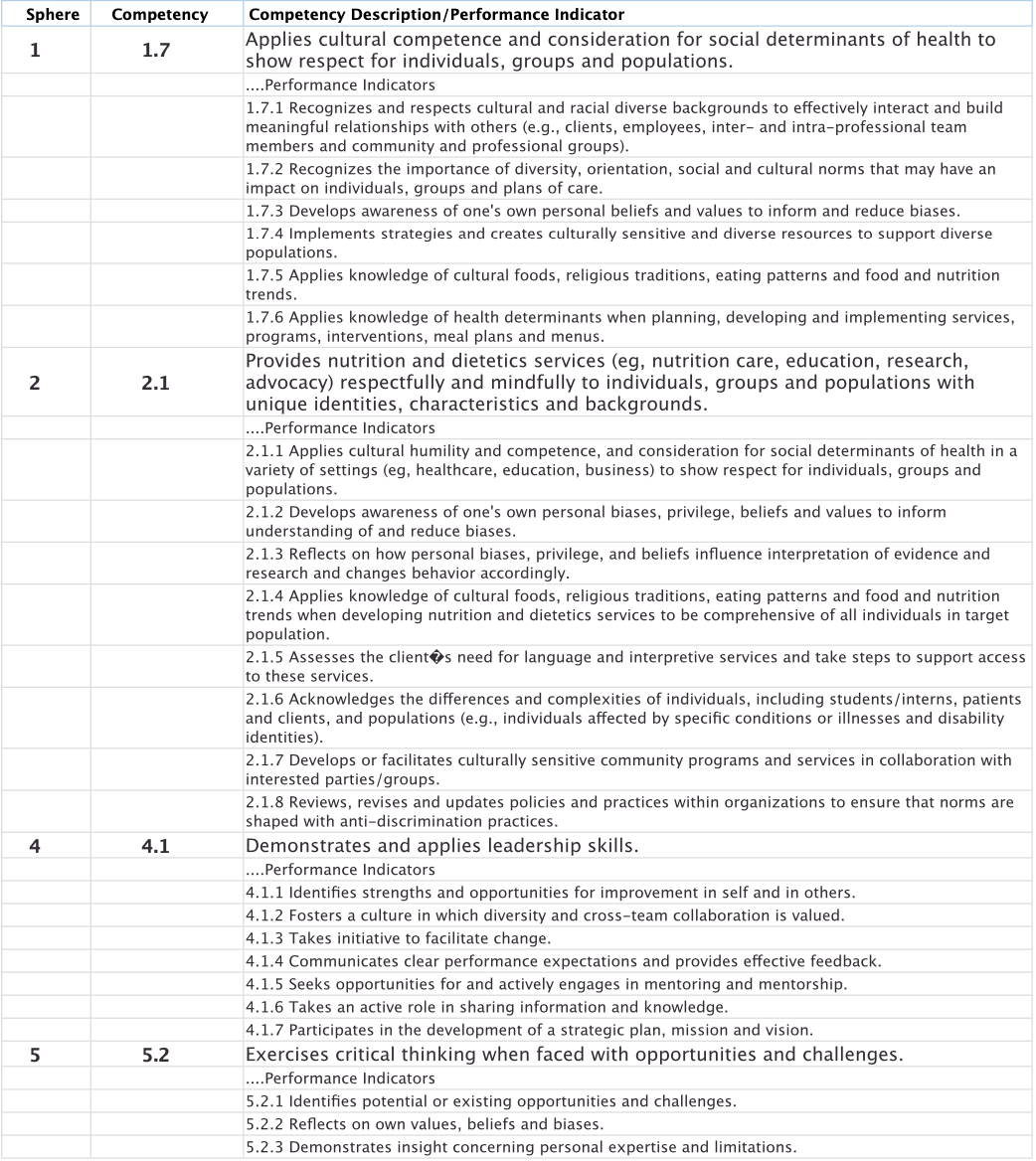
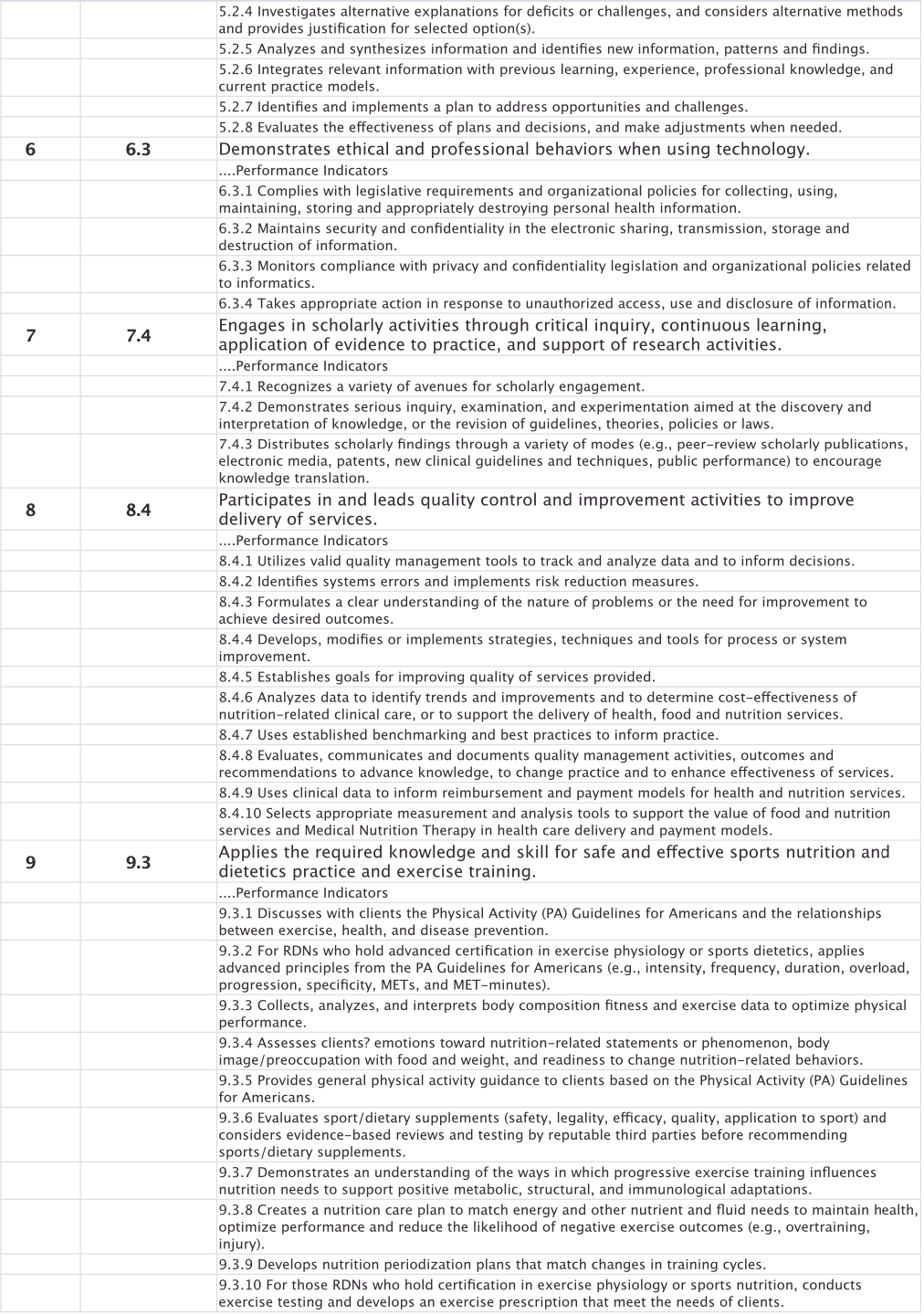
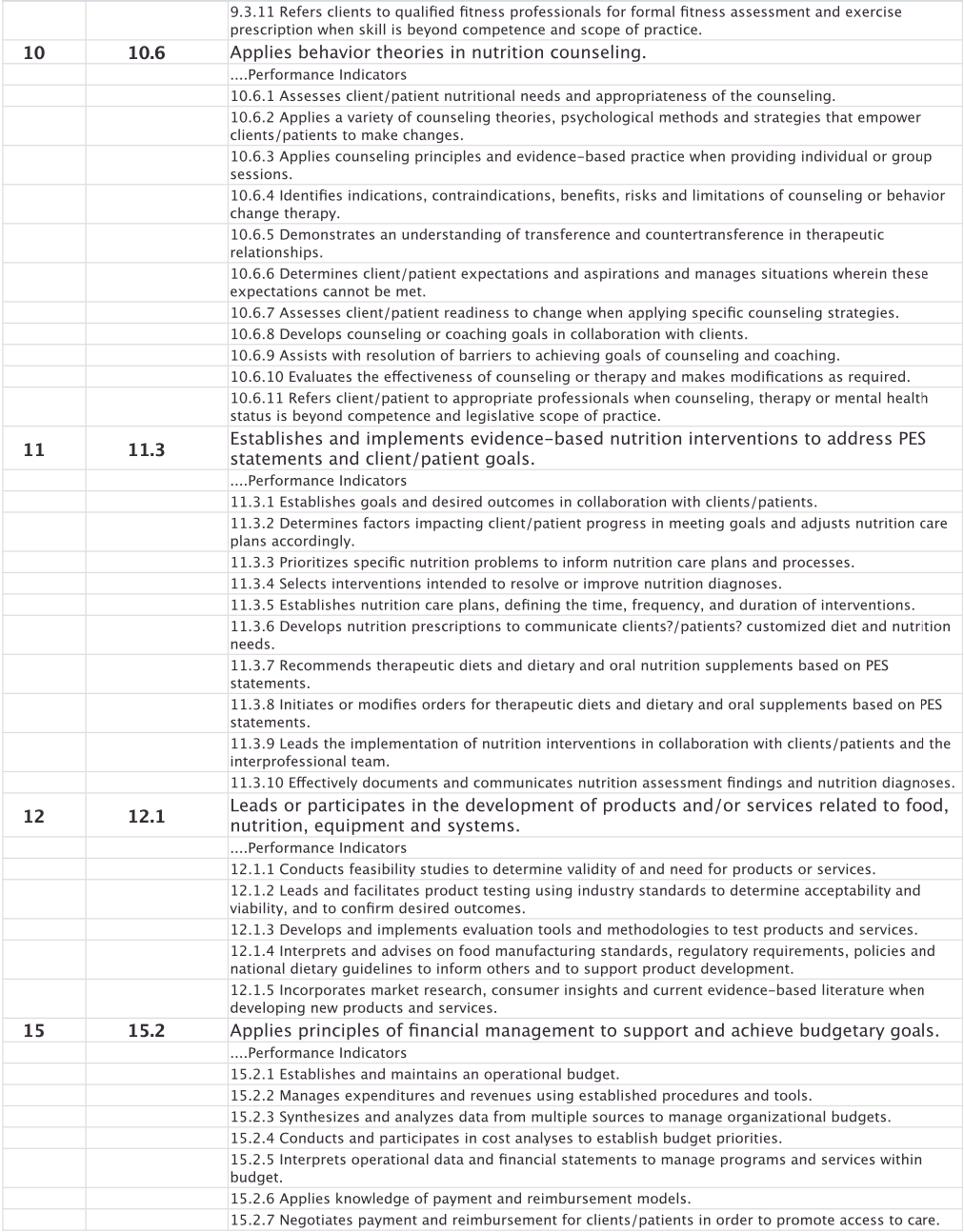
II. PDP Competency Plan
III. Student Learning Activities
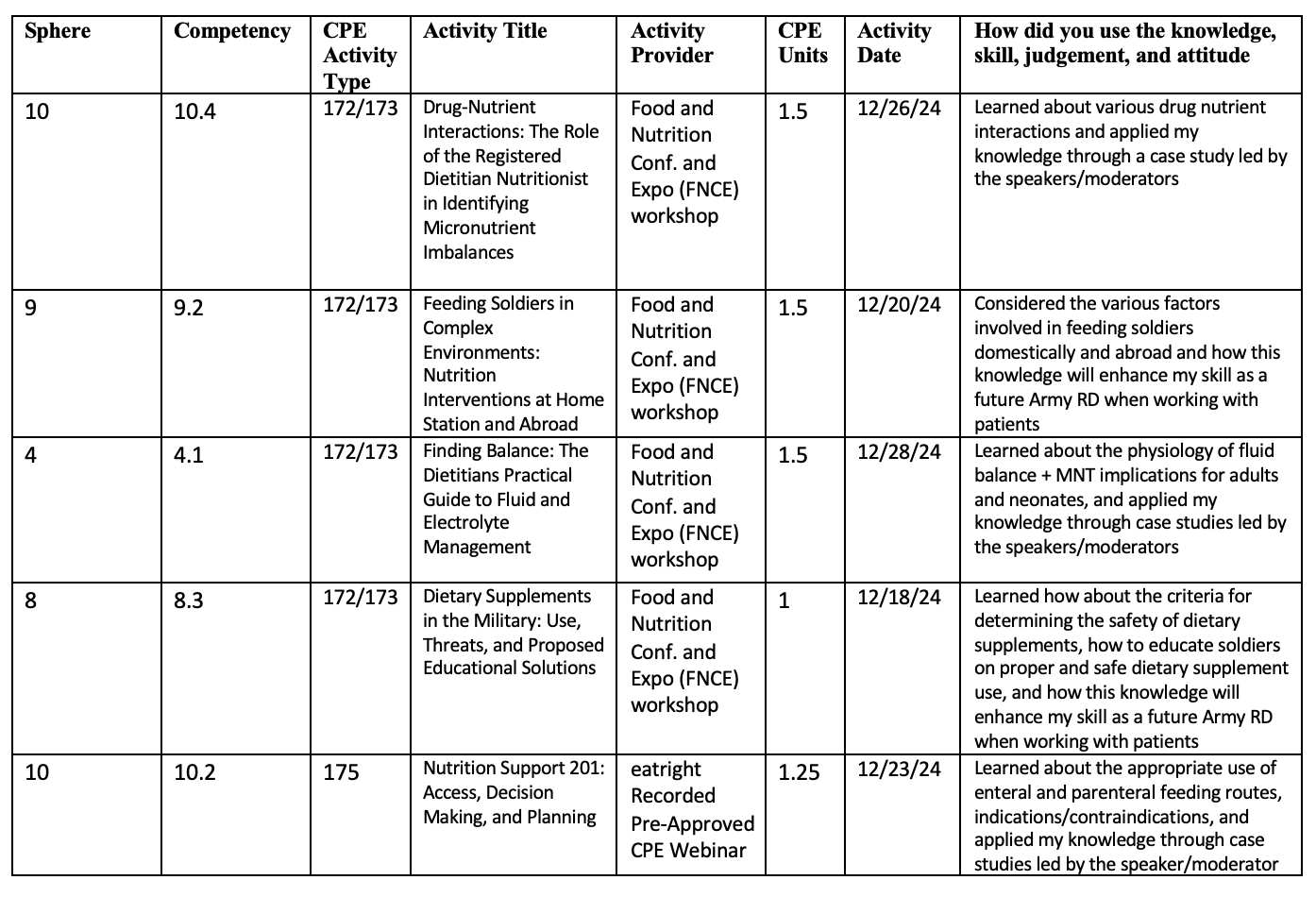
Student Learning Activities Log
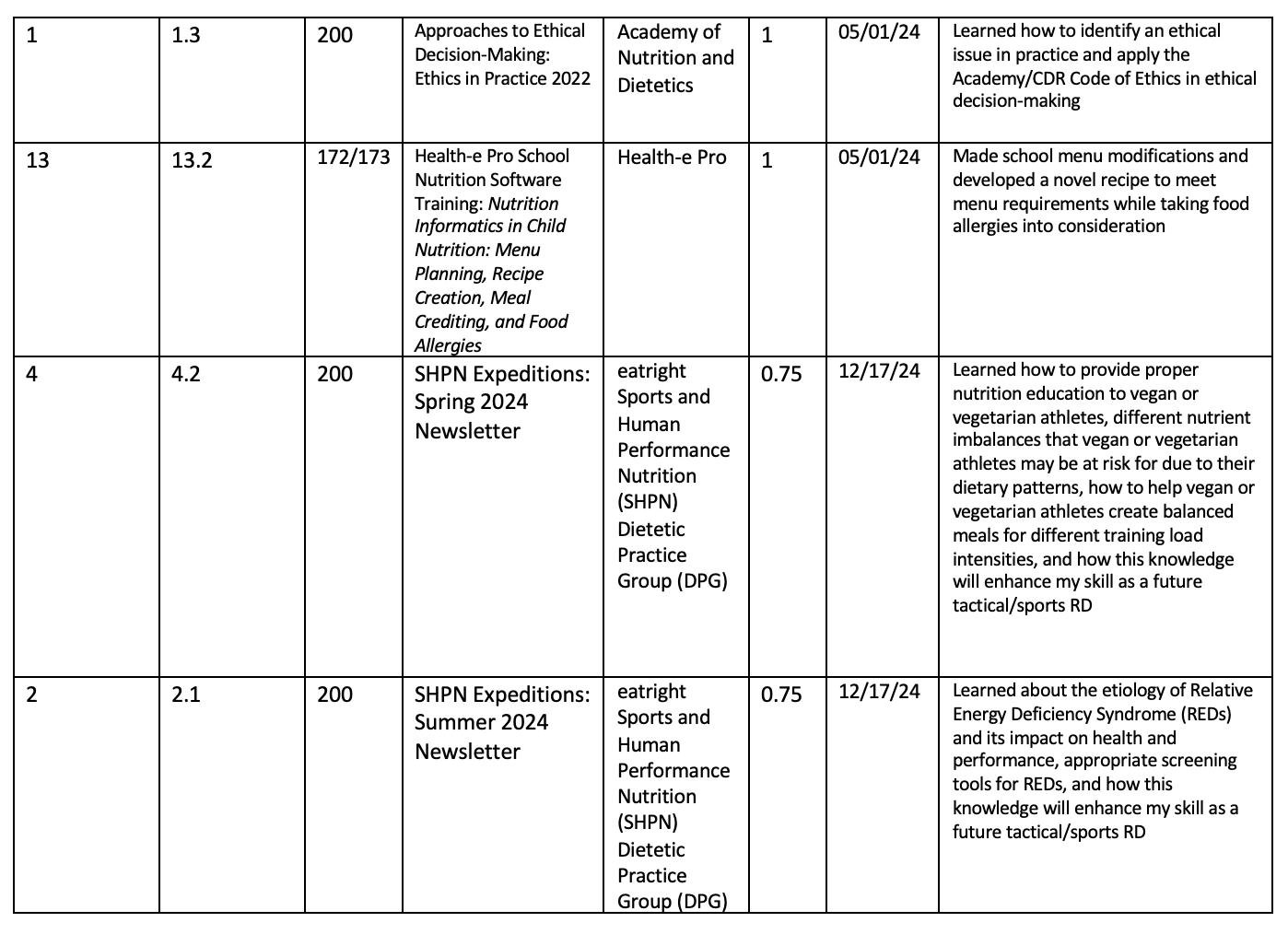
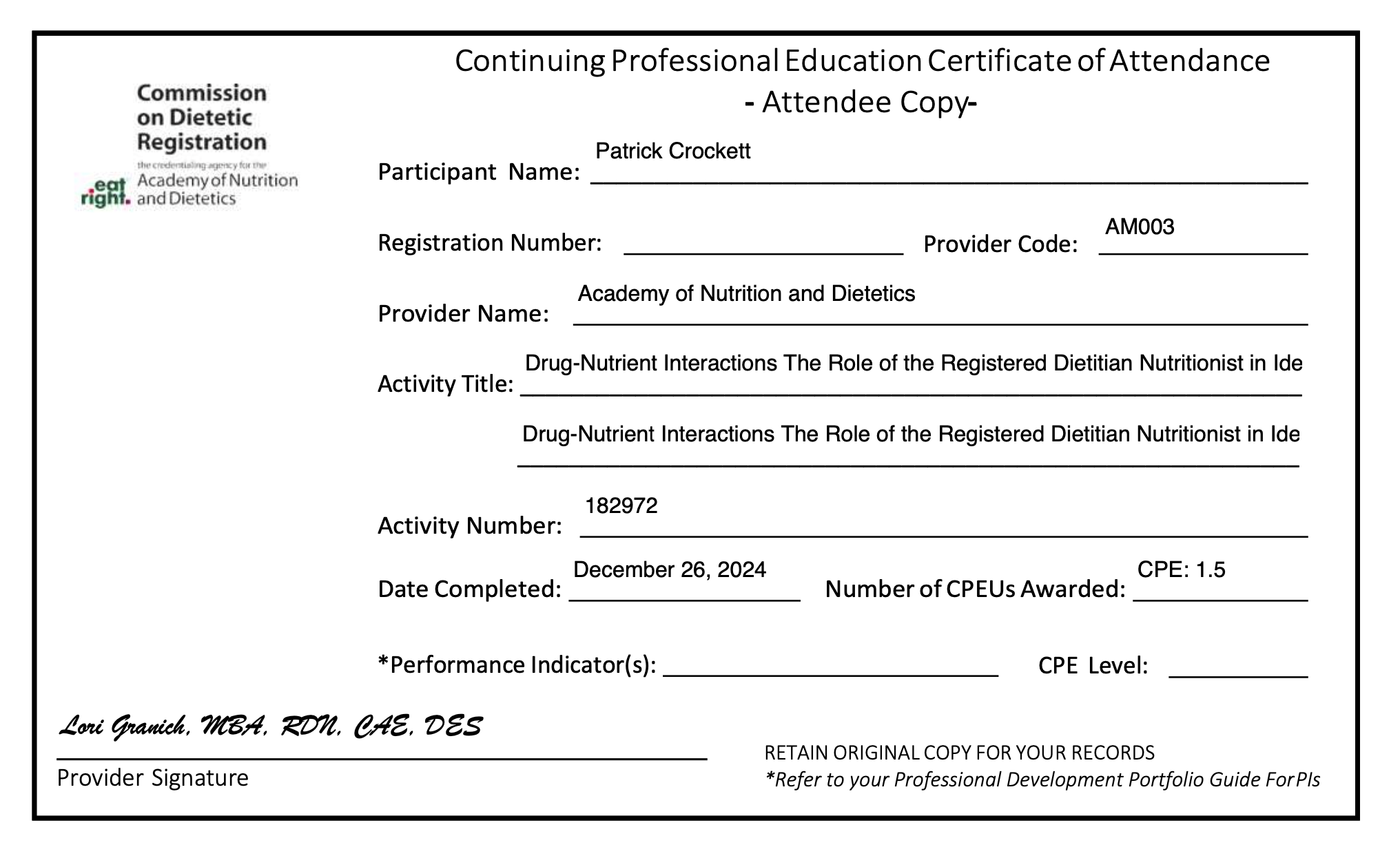
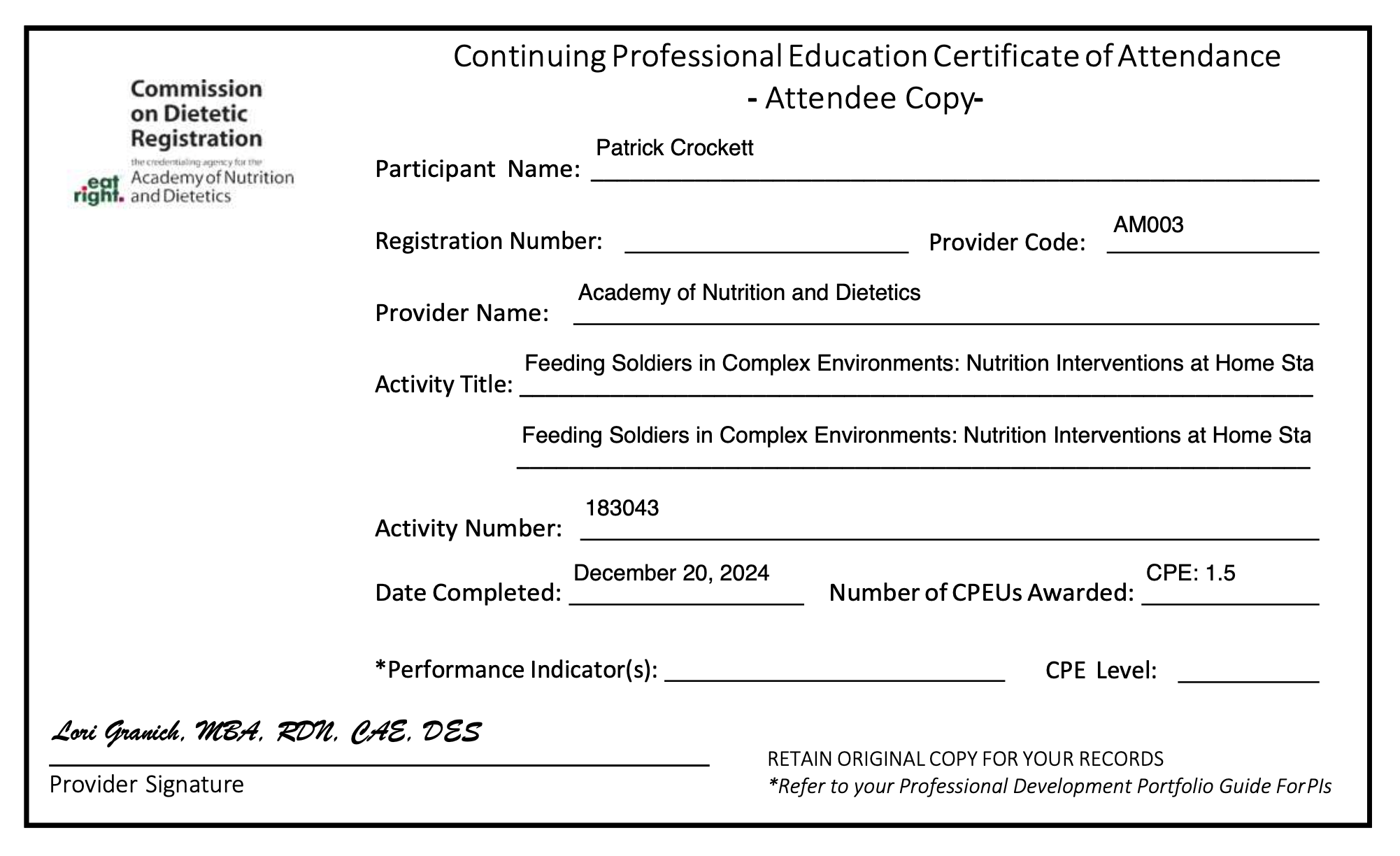
CPEU Documentation
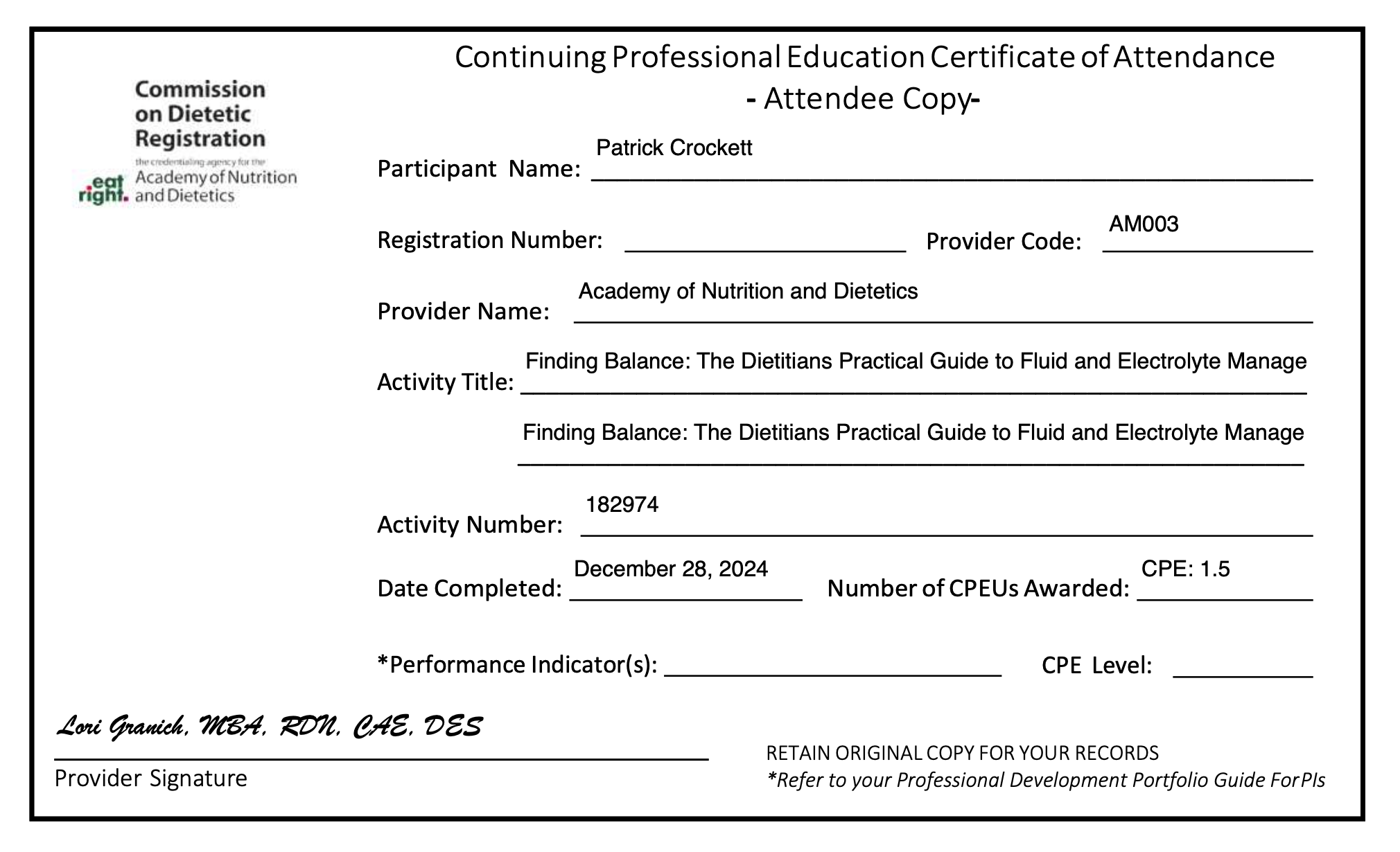
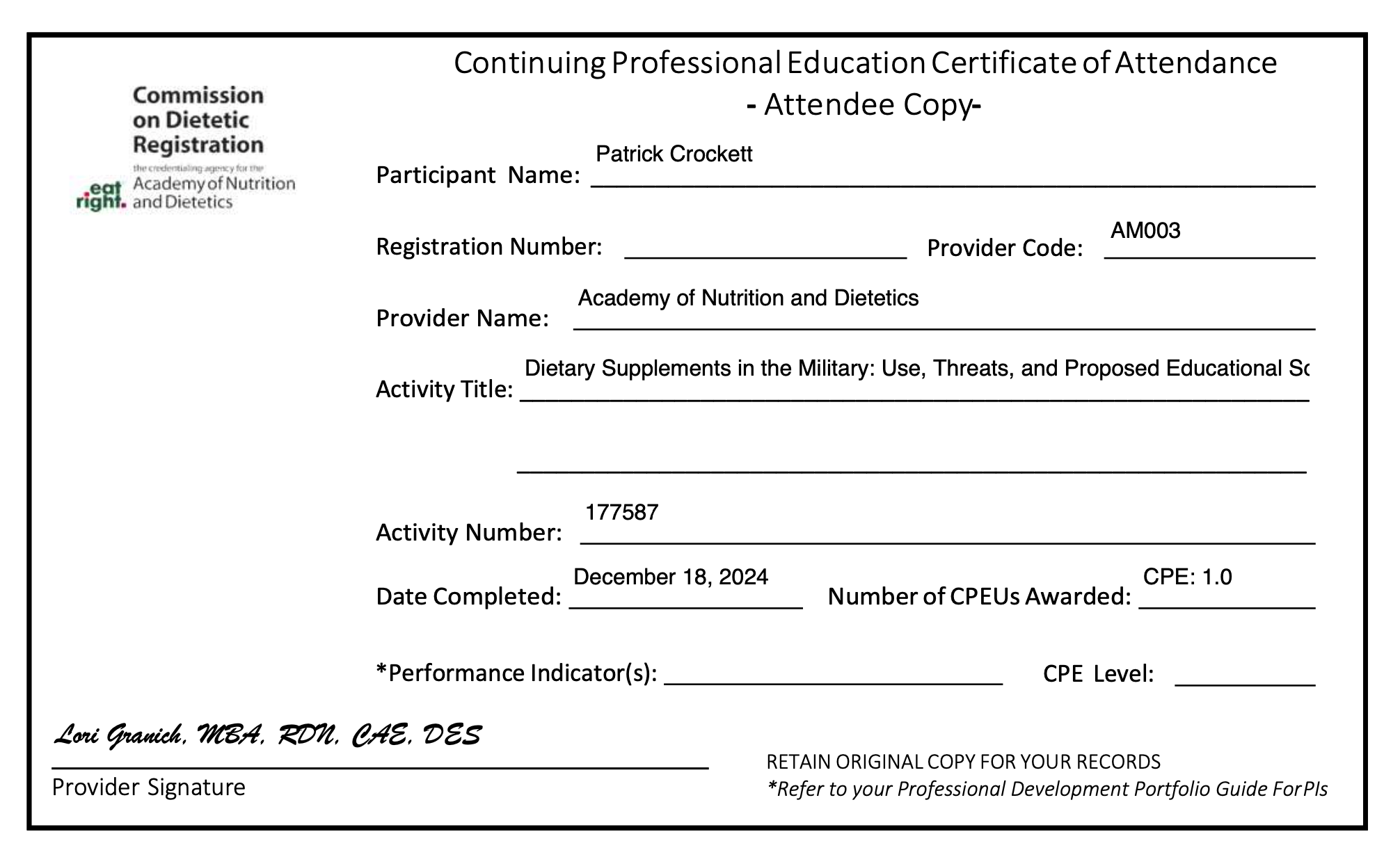
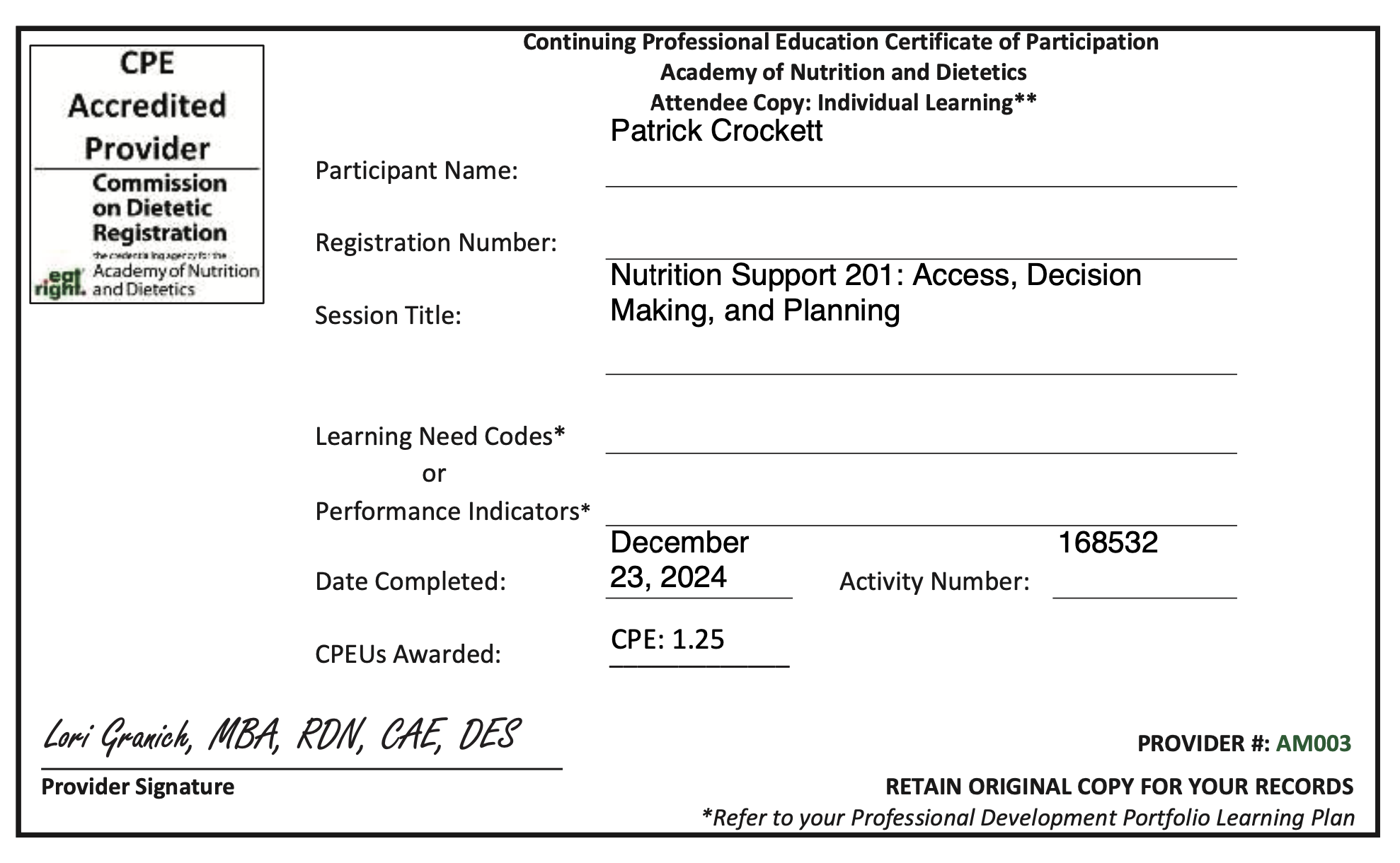
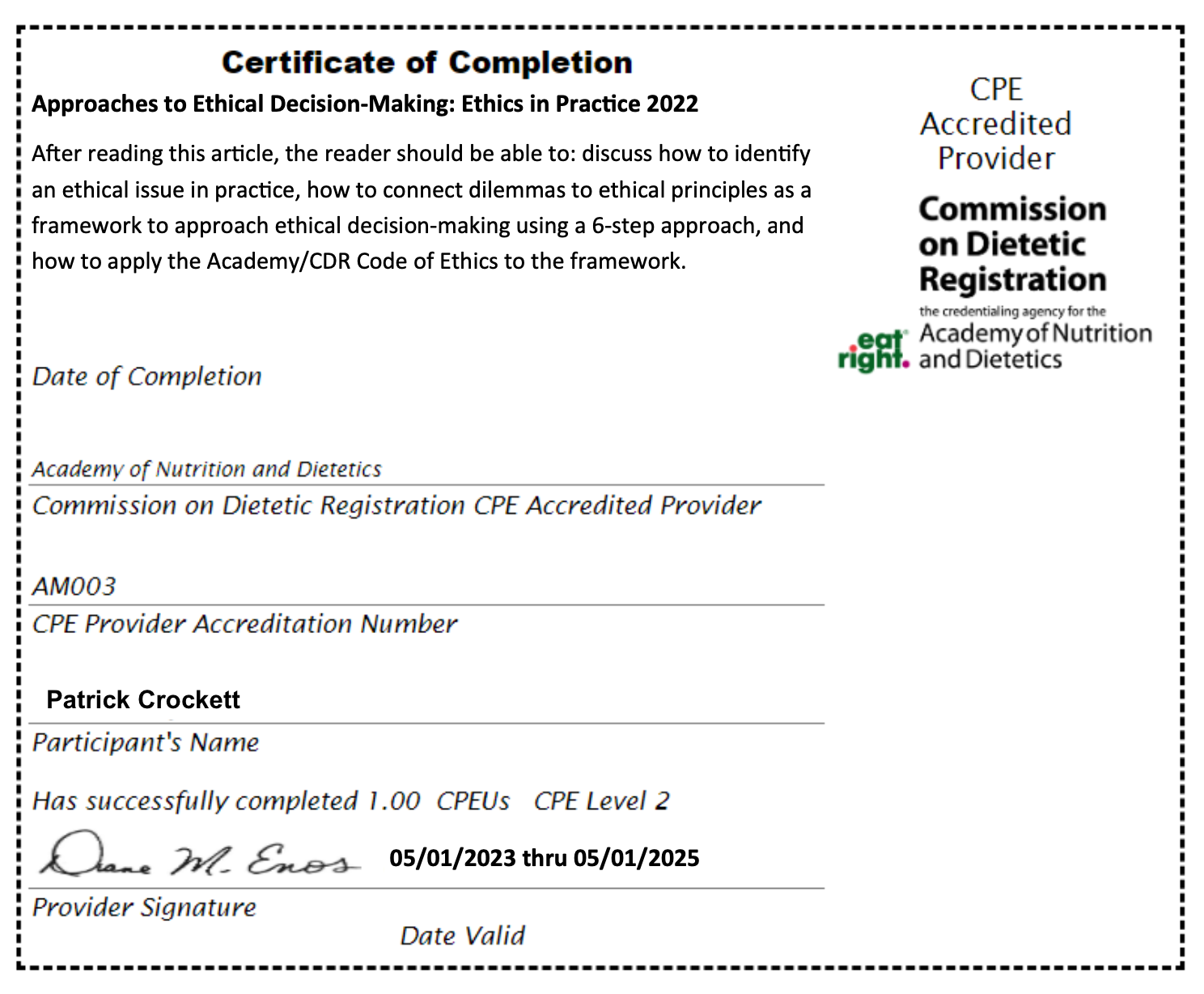
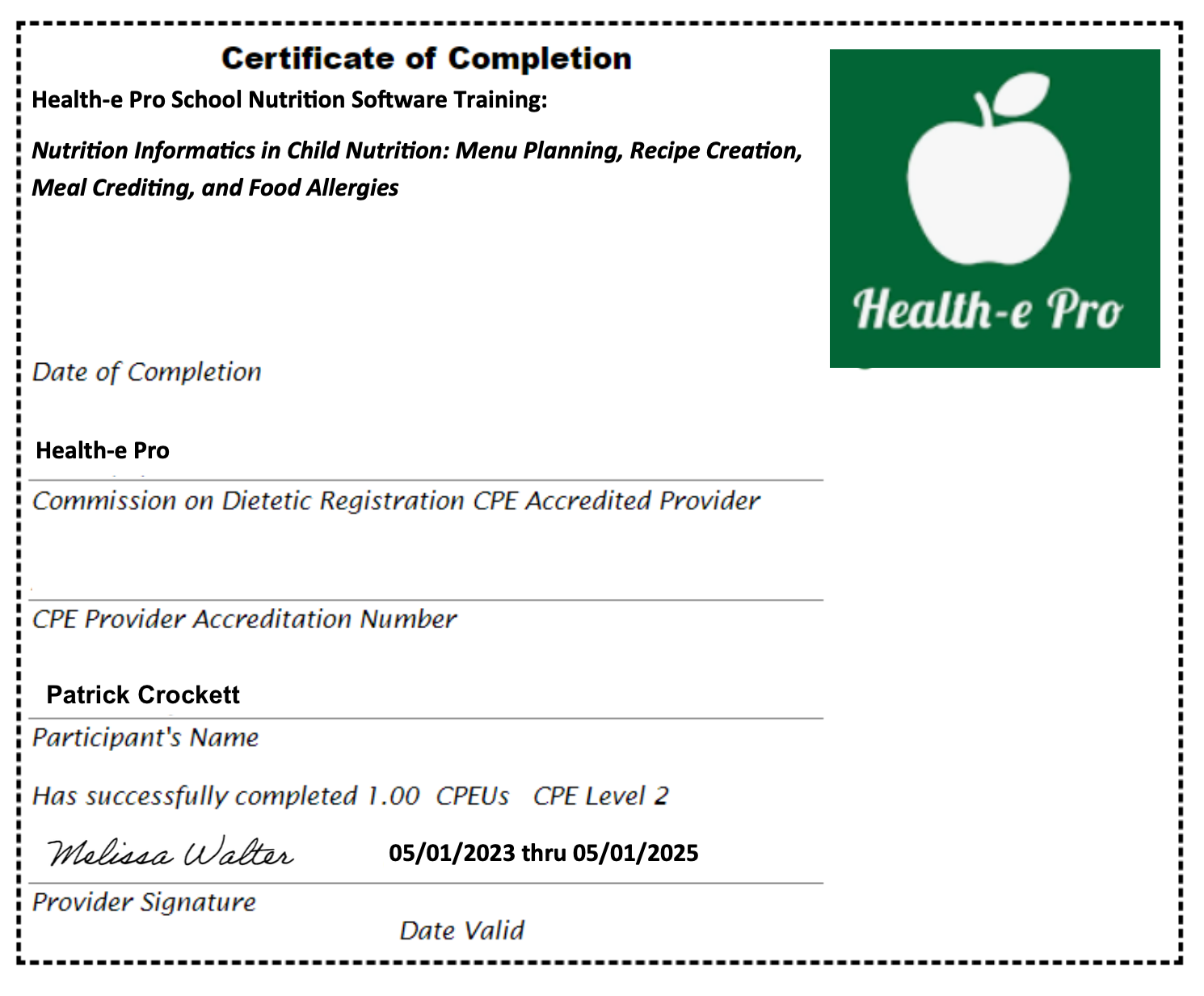
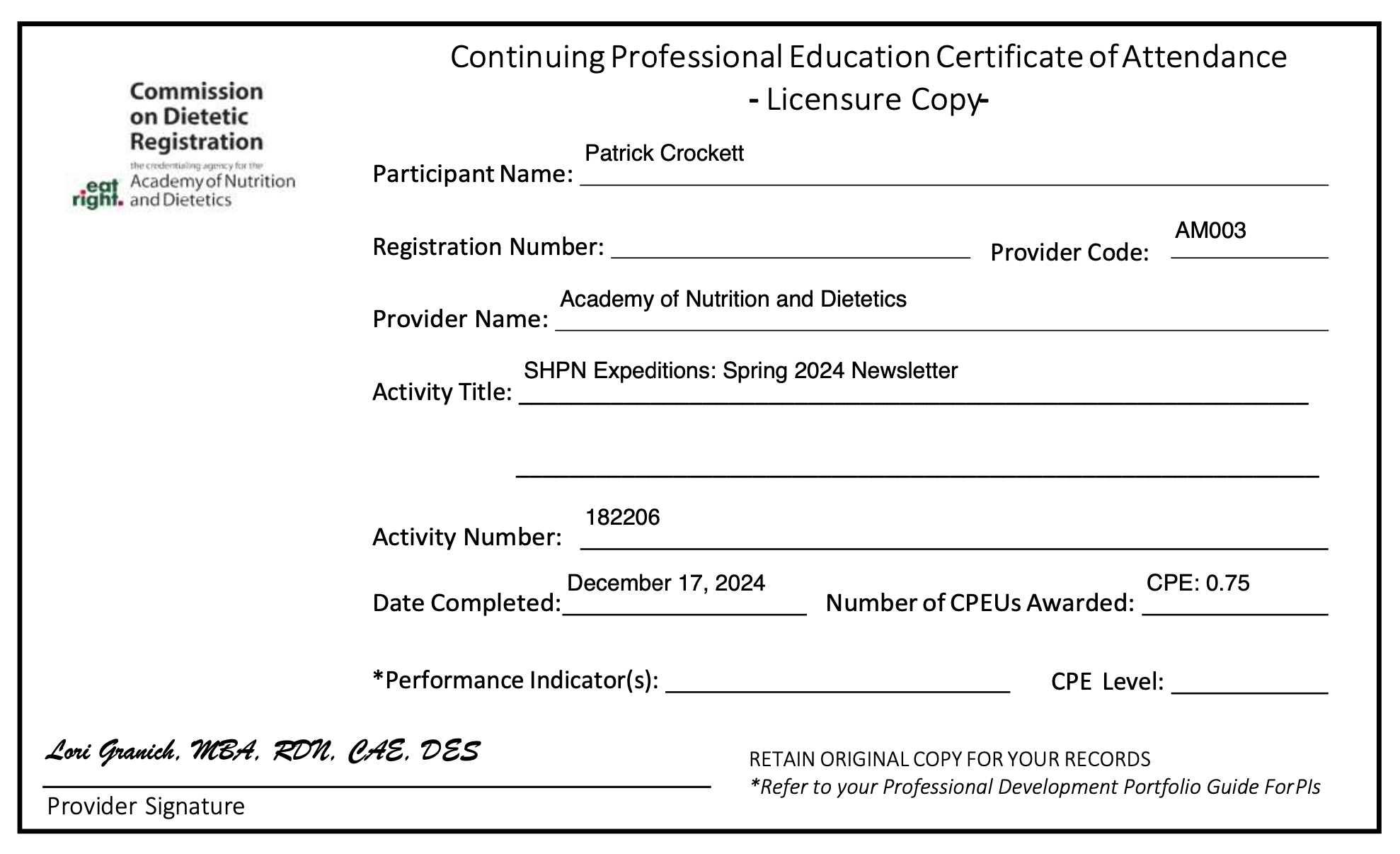
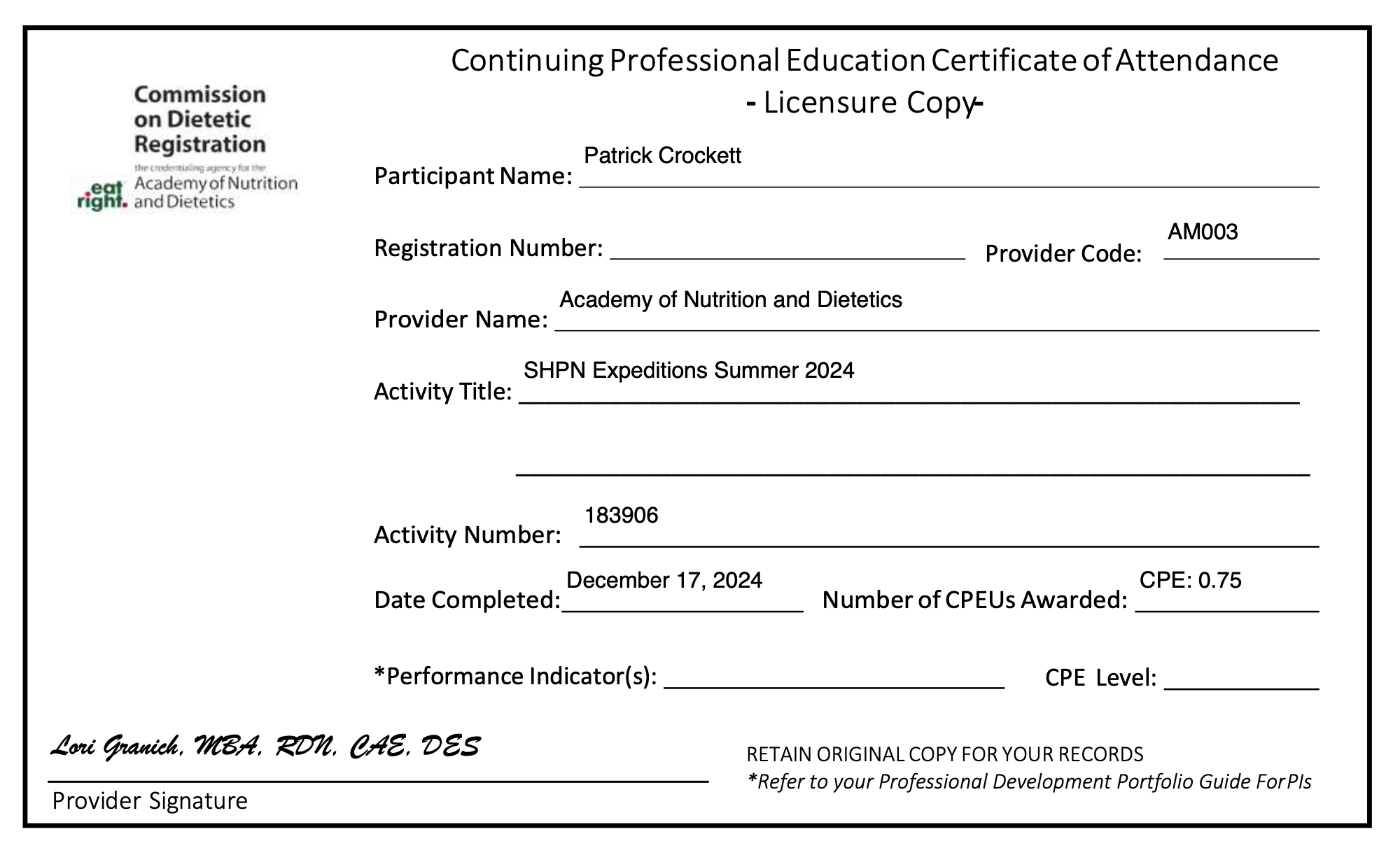
IV. Self Evaluation
1.) What progress did I make toward accomplishing my professional goals?
I made progress toward accomplishing my professional goals of working as an RD in the Army and with elite athletes/sports teams by furthering my knowledge in my professional interest areas such as tactical performance nutrition and sport performance nutrition. This exercise has shown me the importance of continuing my education throughout my career as an RD and how it will help me continuously elevate my practice and quality of nutrition care that I provide to patients and clients. I made progress towards accomplishing my professional goals of serving as a subject matter expert in the dietary supplement and military fields by furthering my knowledge on the use of dietary supplements in the military and drug-nutrient interactions and how to assess and address micronutrient deficiencies.
2.) What skills/knowledge do I need to learn to help me in attaining my professional goals?
I need to continue to expand my clinical nutrition skillset and knowledge base, because these will serve as the foundation for my practice and allow me to meet my future clients and patients where they are, no matter what their acuity may be. No matter what settings I work in - inpatient vs. outpatient, special vs. general population – I will be ready because I will have a well-rounded knowledge and experience base of medical nutrition therapy.
3.) Have my short and long-term goals changed?
My short and long-term goals remain the same, but I anticipate they may change as my career unfolds and when I have a better idea of job opportunities I have on the table after graduation and completion of my final two rotations next summer.